
Closing day gets most of the attention.
It has a date on the calendar. Documents are finalized. Multiple parties come together. Funds move, obligations take effect, and months of work become real.
Then the closing ends.
The financial activity does not.
A municipal bond issue may continue through years of interest payments and principal repayment. It may also involve project fund draws, escrow releases, contractor payments, trustee disbursements, and other movements of money along the way. The Municipal Securities Rulemaking Board describes municipal bonds as long-term obligations that require regular interest payments and the return of principal at maturity. It also notes that important financial information continues to arise after the initial issuance.
The closing is a major event. But it is only one part of a much longer financial lifecycle.
So why should the strongest security exist for only one day?
A closing is an event. The obligation is a lifecycle.
Closings deserve a purpose-built process.
They bring together organizations that may not transact with one another regularly. Conditions must be satisfied in a particular order. Documents, approvals, and funds all have to align around a specific date.
That level of coordination naturally creates focus. People know the stakes. Teams pay close attention to instructions. Questions get escalated. Participants work toward a clearly defined point of completion.
After closing, the shape of the risk changes.
The transaction becomes familiar. Payments may become recurring. The people involved may change. Bank accounts may be updated. New contractors or beneficiaries may enter the picture. Information that was carefully reviewed at closing can gradually become an old record someone assumes is still correct.
Familiarity makes ongoing work more efficient. It can also make meaningful changes harder to see.
An account number that looked right two years ago may not be right today. A contact who once had authority may have changed roles. A recurring payment may look routine even when one important detail is different.
That is why the payments after closing need their own security structure. Not a copy of the closing process, but a process designed for the way ongoing money movement actually works.
Security should not reset after the deal funds
In many transactions, closing day creates a temporary center of gravity.
Participants come together. Information is organized. Responsibilities are clear. Everyone works from the same timeline.
Once the closing is complete, that center can disappear. The closing team moves on. Future payments return to the organization’s ordinary systems and workflows. Context spreads across accounting platforms, document repositories, inboxes, and the memories of the people who were involved.
The next payment may be related to the original deal, but operationally, it can feel like a new request.
That creates a strange mismatch. The transaction has more history than it did at closing, yet the organization may have less usable context around the payment.
A better model preserves what the organization learned.
Who are the verified participants? Which accounts were validated? What role did each organization play? How does this payment connect to the original transaction? What has changed since the last time money moved?
The goal is not to repeat the closing forever.
It is to make sure the context created at closing does not disappear the moment the deal funds.
Secure Closings is built for the event
Basefund Secure Closings is designed for complex, multi-party transactions with a defined funding date.
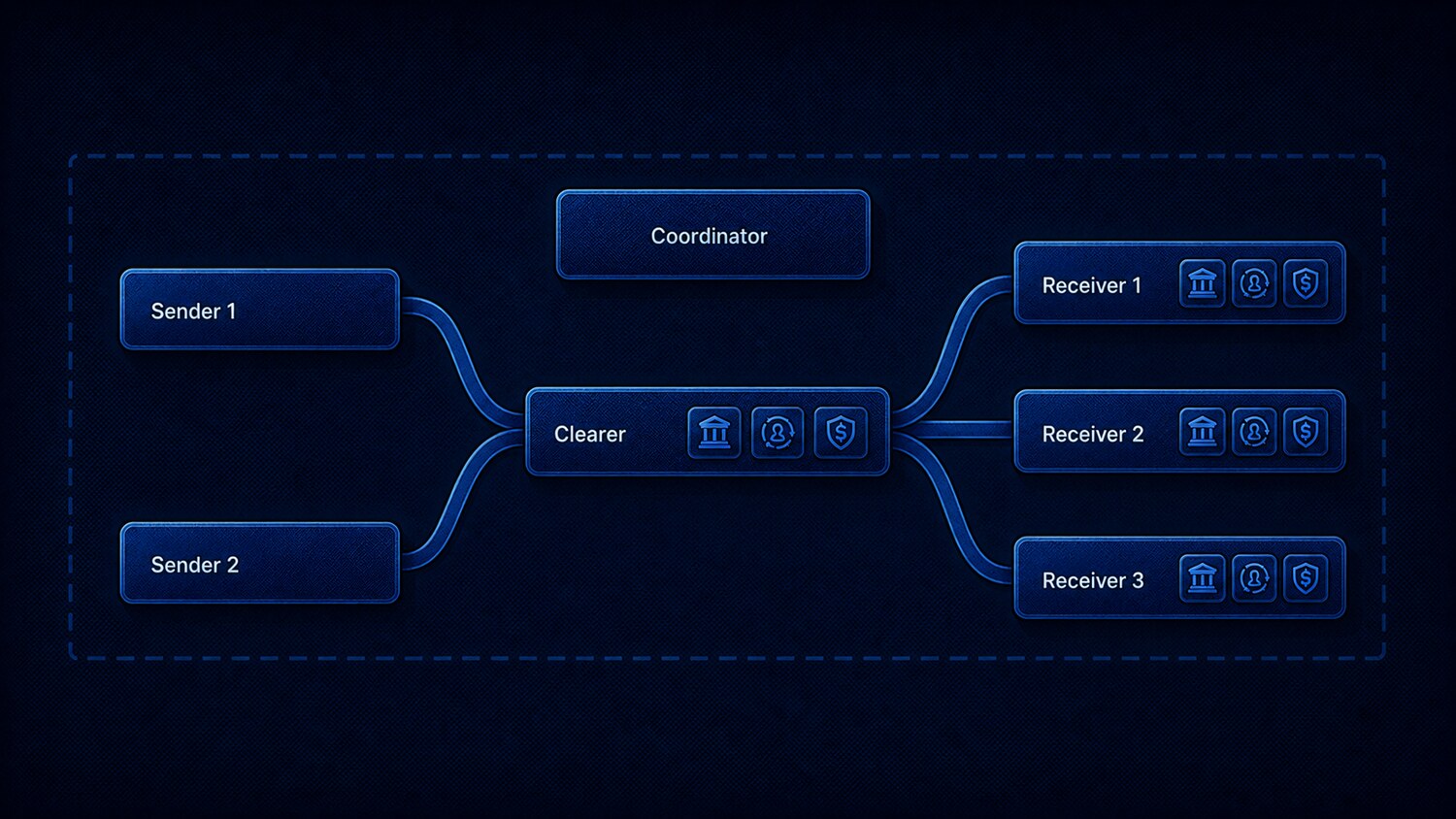
It gives senders, receivers, clearing parties, counsel, and transaction coordinators a shared environment for managing the closing. Roles and responsibilities remain visible. Participants authenticate through the platform. Identities and receiving accounts can be verified before funds move. Instructions, approvals, and activity remain connected to the transaction record.
This structure matters because a closing is more than a large payment. It is a coordinated sequence of decisions, conditions, documents, and disbursements.
Secure Closings gives that sequence a home.
Qualifying disbursements can also be insured at the transaction level, adding financial protection to the verification and account-validation process. Basefund currently offers coverage of up to $15 million per disbursement, subject to the applicable terms and eligibility requirements. Learn more about Secure Closings.
The result is a closing process built around the transaction itself, rather than a collection of instructions moving between separate organizations.
Secure Transactions is built for what comes next
Not every important payment is a closing.
A project fund draw may involve one sender and one contractor. A trustee may need to make a scheduled disbursement. A municipality may need to send a debt service payment. A corporation may be releasing escrow funds or making a high-value vendor payment.
These transactions have different participants, timelines, and approval requirements. But the money deserves the same core protections.
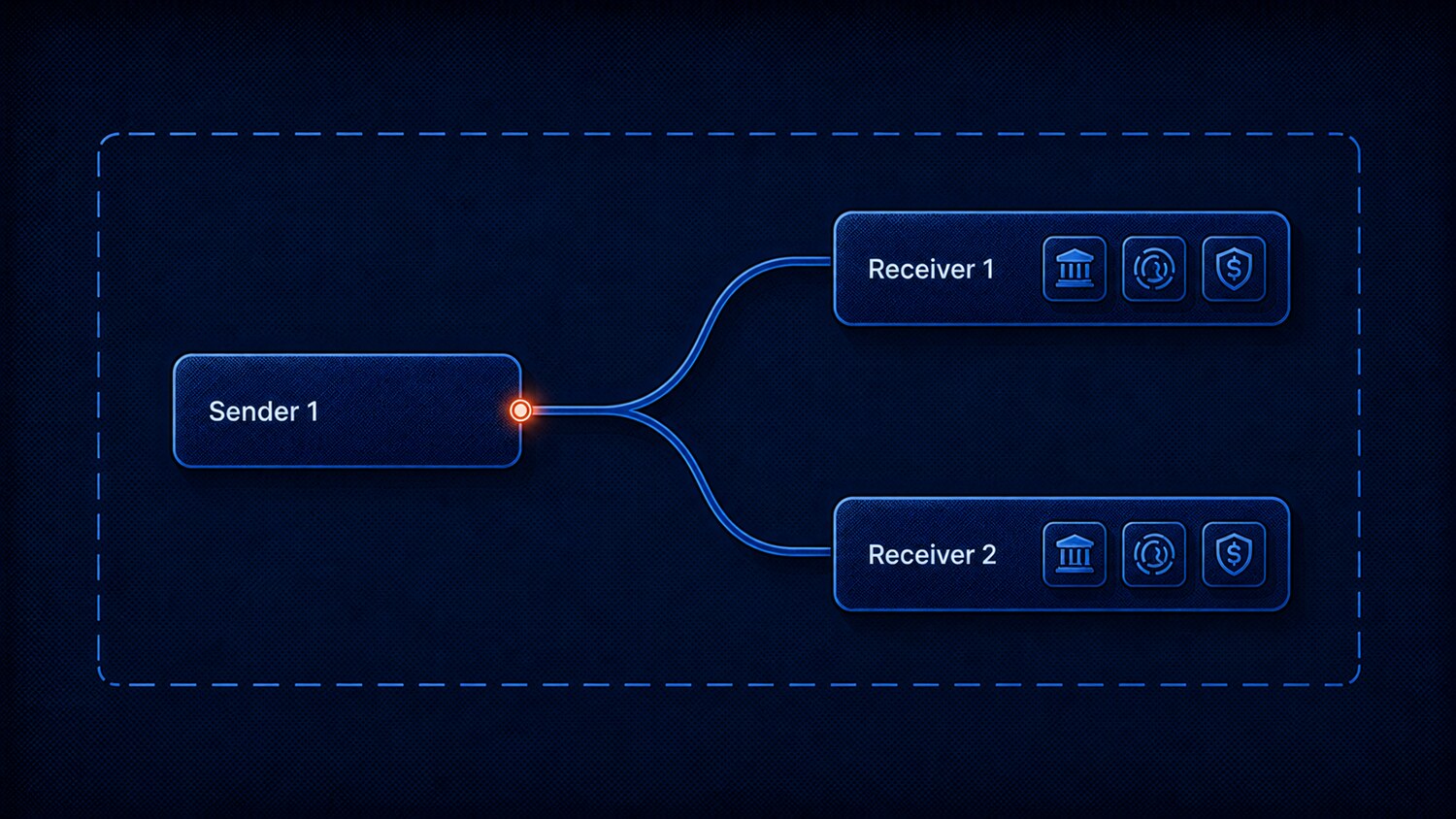
Basefund Secure Transactions applies identity verification, account validation, transaction-level insurance, and a connected record to one-time and ongoing payments. It is designed for debt service, trustee disbursements, contractor payments, capital calls, internal transfers, and other high-value movements of money.
The workflow can reflect the transaction without starting from zero each time.
Established participants and accounts provide useful context. Changes can be surfaced and reviewed. Related payments can remain connected to the transaction that created them. Instead of treating every disbursement as an isolated event, the organization can see the relationship unfolding over time.
That distinction is important.
Secure Closings coordinates the moment a deal comes together.
Secure Transactions protects the individual and ongoing payments that carry its purpose forward. Learn more about Secure Transactions.
What continuity looks like in practice
Consider what happens after a bond issue funds.
Months later, the first project draw is ready. The purpose of the payment is known, but the recipient or account information may need to be confirmed. Later, another draw is requested. A contractor has changed banks. A member of the finance team has left. A trustee contact has been replaced.
None of those changes automatically mean something is wrong.
They do mean the transaction should not proceed based only on what was true at closing.
Inside a connected transaction process, those changes become visible. The recipient can be verified. The new account can be validated. The payment can be tied back to the original financing and the work it supports. The organization can see what stayed the same and what needs renewed attention.
Routine payments stay routine.
Changes receive scrutiny because they are changes, not because someone happened to notice an unusual detail in an email.
That is the value of continuity. Security does not depend on recreating the history of the transaction every time money needs to move.
The history is already there.
One platform across the financial lifecycle
Secure Closings and Secure Transactions solve different workflow problems, but they are built on the same underlying idea.
Security should follow the money.
At closing, that means coordinating multiple parties, requirements, and disbursements around a specific event.
After closing, it means preserving context, verifying the people involved, validating where funds are going, and protecting each eligible payment as the relationship continues.
The workflow changes because the transaction changes.
The standard does not.
Every participant should be known. Every receiving account should be validated. Every payment should have a clear purpose and an understandable connection to the transaction around it.
Closing day is when the deal funds.
What happens afterward is how the deal fulfills its purpose.
Both deserve to be protected.
See how Basefund can secure your next closing and the payments that follow.