
You bought cyber insurance—also known as cybersecurity insurance—for peace of mind. But when a breach hits and your claim is denied, it feels like salt in the wound.
Surprisingly, denial is common: about one in five cyber claims gets rejected or significantly reduced, according to recent industry surveys. The silver lining? Most claim denials share predictable causes. Here’s how to recognize and sidestep the top ten pitfalls of cyberinsurance denials:
1. Missing Baseline Security Controls
If you skip fundamental security practices—like multi-factor authentication, regular software patches, or network segmentation—you risk claim denial. Carriers often explicitly require these safeguards, and failure to comply can void your policy.
2. Misrepresenting Your Security Status
Insurers rely on your truthful answers when underwriting your policy. If your application says you encrypt backups but don't, that misrepresentation is grounds for denial.
3. Late Notification
Cyber policies are usually "claims-made," meaning you must notify your insurer within a specific timeframe. Miss the reporting deadline—even by a single day—and your coverage may vanish.
4. Overlooking Fine-Print Exclusions
Not all cyber incidents are created equal. Acts of war, insider threats, or certain phishing scams might be specifically excluded.
5. Poor or Missing Documentation
Claims require solid evidence—detailed timelines, financial records, forensic reports. Without thorough documentation, your claim risks rejection.
6. Ignoring Known Vulnerabilities
If a breach occurs due to a known vulnerability you didn't patch, your insurer has grounds to deny coverage.
7. Deviating from Your Incident Response Plan
Policies often stipulate adherence to your documented incident response (IR) plan. Ignore the agreed steps or fail to engage pre-approved vendors, and your claim may be compromised.
8. Liability from Third-Party Vendor Weaknesses
Even if a breach originates from a third-party vendor, you may still bear the liability unless your cybersecurity insurance explicitly covers vendor-related incidents.
9. Claiming Indirect or Uninsured Losses
Losses like reputational harm or projected future sales are typically excluded unless specifically covered by additional riders such as business interruption insurance.
10. War or Nation-State Cyber Attacks
Several insurers have invoked war exclusions to deny claims related to state-sponsored cyber-attacks.
Ensure Your Cyber Insurance Works When You Need It
- Know your policy. Understand every requirement and exclusion clearly.
- Stay secure. Maintain core cybersecurity practices consistently.
- Keep detailed records. Document every incident, cost, and response step.
- Act fast. Report incidents immediately within policy timelines.
Basefund: Securing Transactions Before Trouble Hits
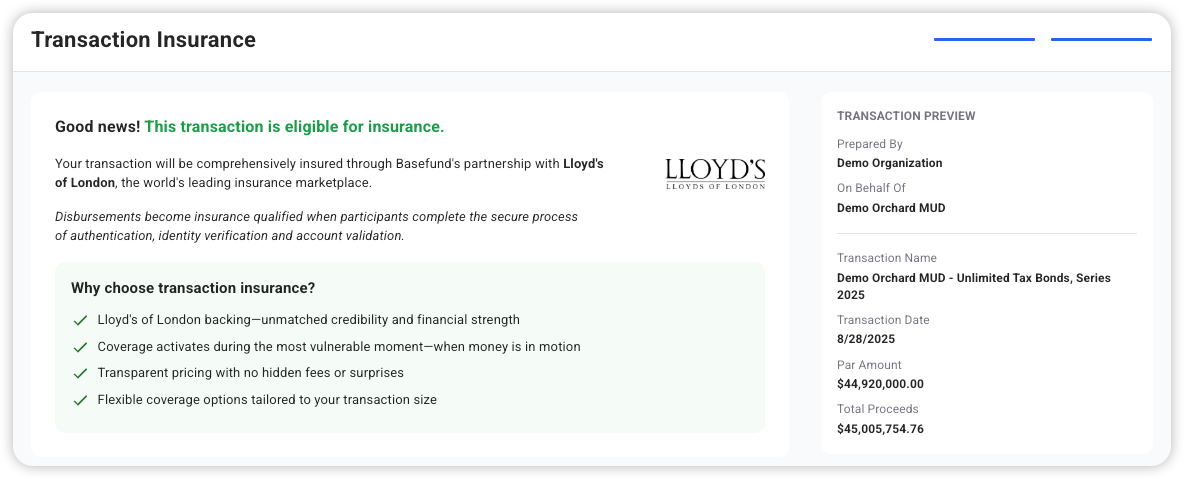
At Basefund, security isn’t just reactive—it’s proactive. We validate every participant and transaction upfront, drastically reducing fraud risk. Plus, our tailored cyber insurance solutions, paired with additional safeguards, close common coverage gaps and provide true peace of mind.
Want to secure your transactions from the start?
Dive into Basefund today and protect your funds before problems arise.